

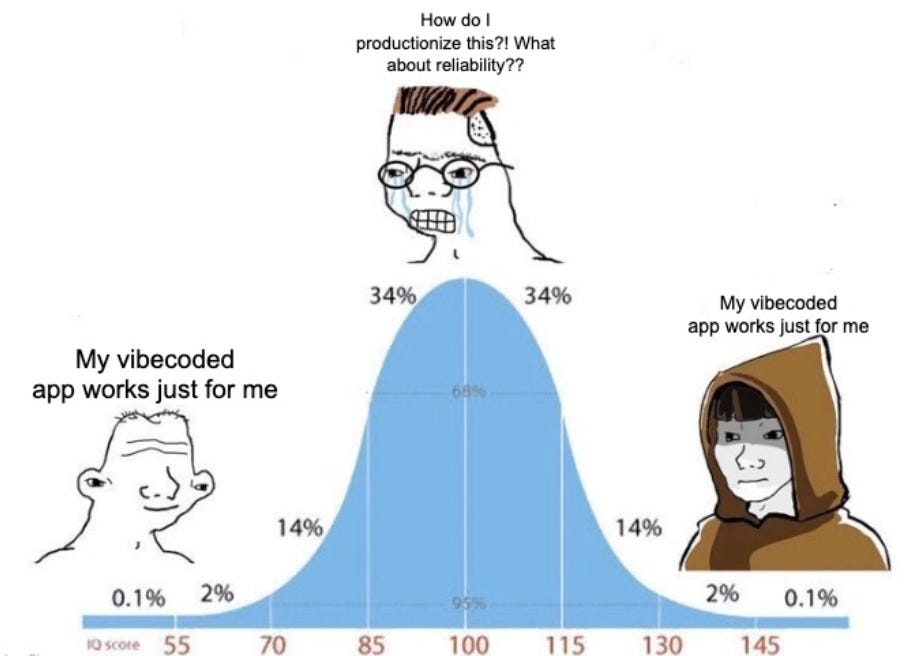
“Why do all these car lease calculators suck?” I went on my usual rant last month. My wife and I had been shopping car lease deals. Our need was simple enough: We had a few cars in mind. We had a monthly payment and downpayment in mind. We wanted to find out which combination of (car, trim, yearly mileage) would be in our (monthly, downpayment) range, so we could negotiate further and finally close. However, none of the comparison websites we checked out had the right UI and/or the right data to meet this need. So I decided to fetch the data from a few sources and then one-shot a locally hosted comparison tool.
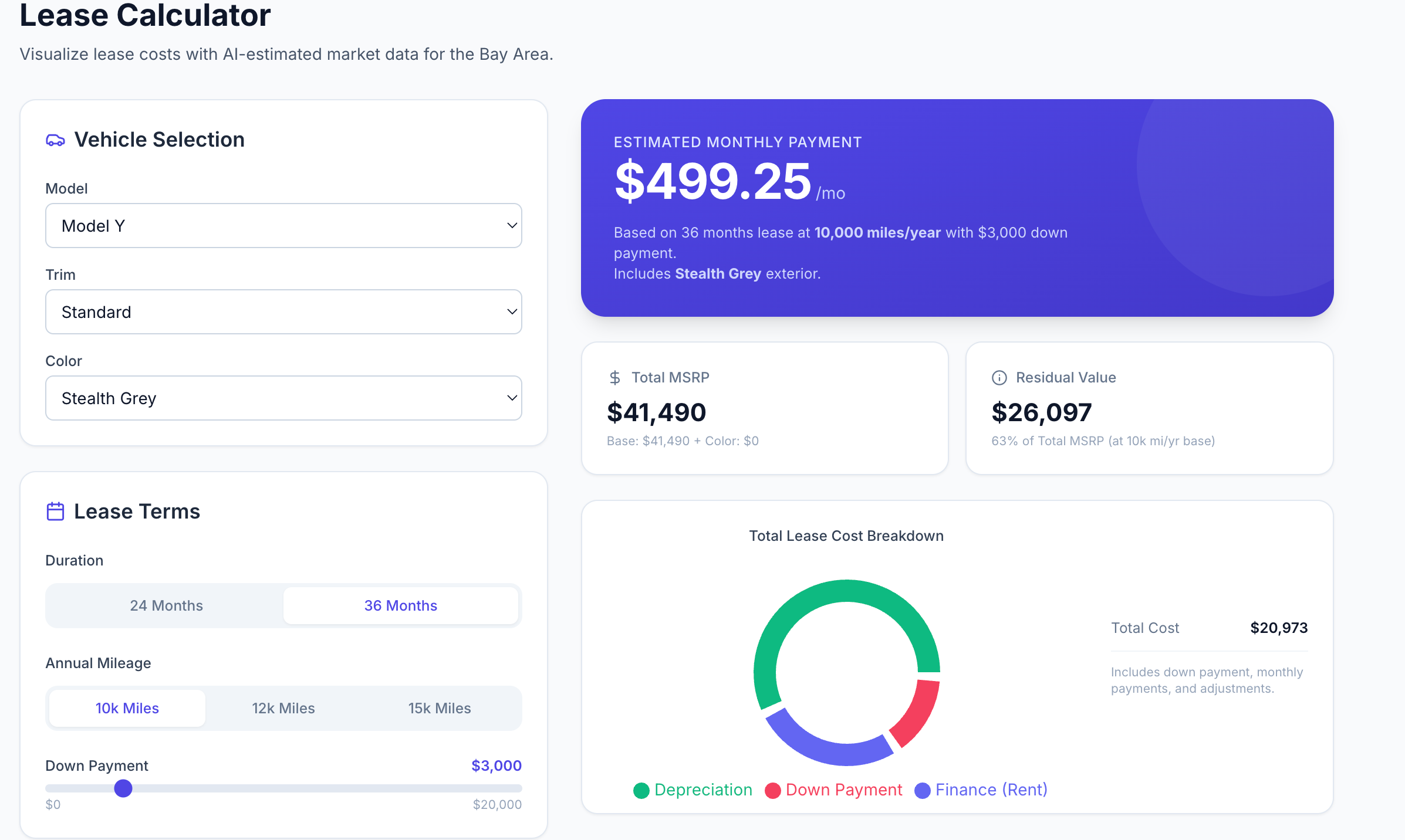
Naturally, my systems-thinking-first-principles-wanking-pm-thoughtfluencing brain started wondering how this solution could be generalized. Surely, there must be more people out there facing the same problem? “And now that LLMs can generate the right UI based on their specific needs, surely there’s a product to be built? Onboarding is going to be important, but it shouldn’t be too heavy. Evals will be interesting…” I went on until I exhausted myself and then came to a different conclusion — Sometimes, it’s totally fine to build a single-user product. Sometimes, it’s totally fine to even build a single-use product. We never had to go back to the lease calculator, but it served its purpose, like a single-serve coffee pod. Disposable software FTW!
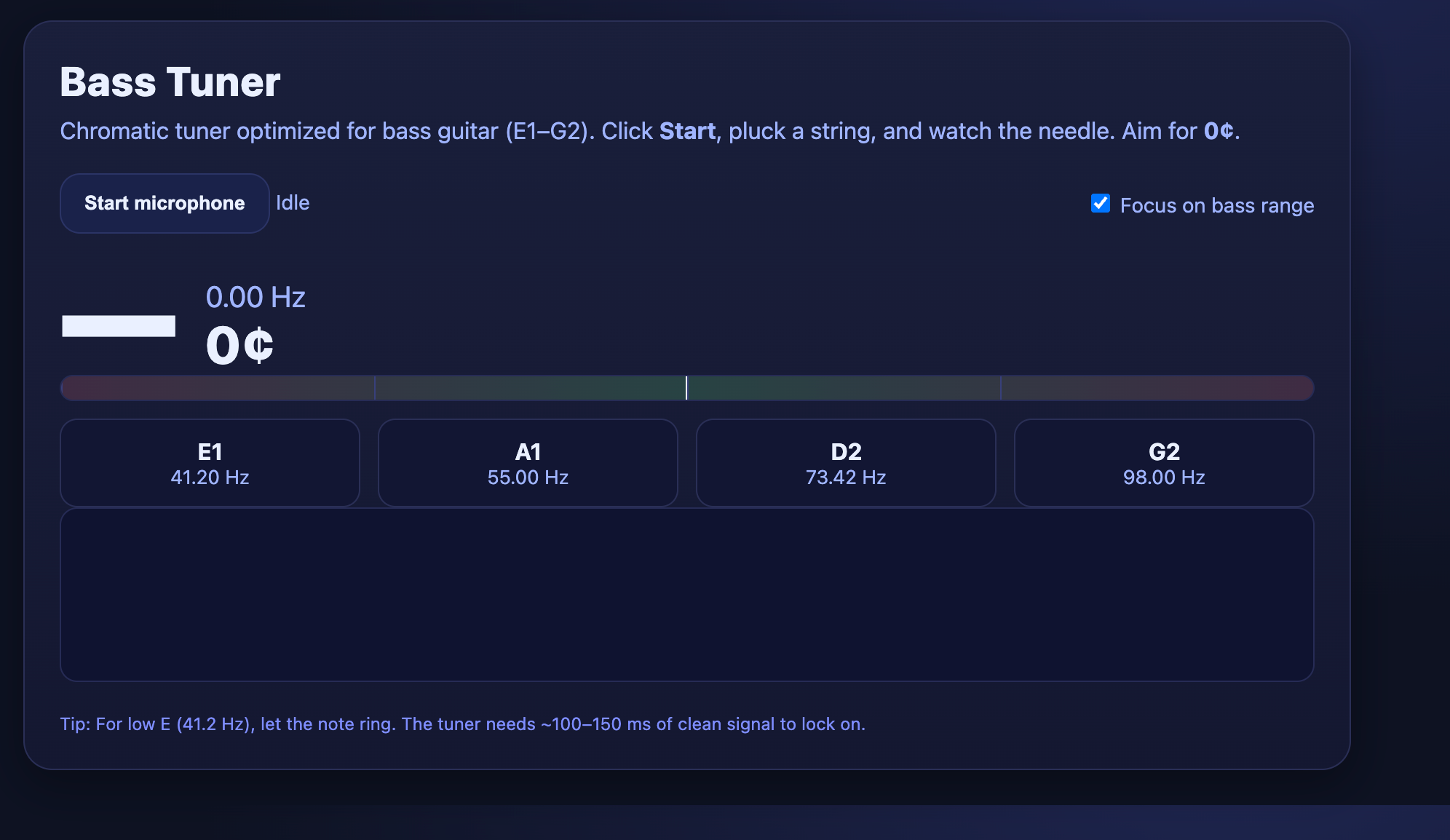
It seemed silly at first, but disposable software poked holes in my digital habits, making me question subscriptions and ads. For example, I always need an app to tune my bass guitar. But every app I download becomes increasingly filled with too many ads over time, eventually becoming unusable. Some of them go behind a paywall (one of them refused to tune the D string without an upgrade, I’m not kidding.) Instead of finding another tuner app after the last one annoyed me beyond my limits, I simply built one for myself — customized for what’s important to me, minus the stupid banners promoting Candy Crush Saga.
Seeing all the hot takes (including my own), we know that it takes a village to go from vibecoded prototype → production software (reliability, evals, safety, etc), but there’s a lot of value in simply vibecoding a whole village of prototypes just for oneself. The next time you find yourself shouting at a screen because an app is too slow, too expensive, or too full of ads, don’t look for a better product. Just build a worse one. Build it poorly, build it fast, and build it for an audience of exactly one.
Disclaimer: The opinions stated here are my own, not necessarily those of my employer.